3D Render of Buying and Selling Concept: A Powerful Visual Tool for E-Commerce and Marketing
In the fast-evolving world of online shopping, visuals play a crucial role in capturing attention and driving sales. One such tool that’s gaining popularity is the 3D render of buying and selling concept. These are high-quality digital images created using 3D modeling software to depict scenarios involving purchase transactions, shopping carts, gift boxes, market bags, and store locations—all in a realistic, engaging style. Whether you're an entrepreneur launching an e-commerce platform or a marketer designing promotional materials, understanding how to effectively use these renders can significantly enhance your brand's visual appeal and user experience.
What Is a 3D Render of Buying and Selling Concept?
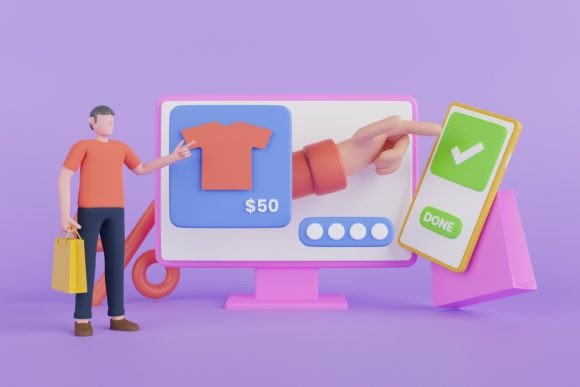
A 3D render of buying and selling concept is a digital illustration that visually represents the process of purchasing and selling goods or services. It often includes elements like a customer browsing products, placing items into a shopping cart, checking out at a virtual register, receiving gifts, or carrying market-style bags from a store location. These images are typically designed in a photorealistic style, making them ideal for use in websites, banners, posters, UI/UX interfaces, and more.
The beauty of this type of render lies in its versatility. You can customize it to match your brand colors, layout, and messaging. For example, if you run an online fashion store, you might choose a render with a stylish gift box and a modern shopping cart to reflect your brand identity. If you’re promoting a local market or pop-up shop, a render featuring market bags and a storefront location could be more appropriate.
Common Mistakes When Choosing and Using This Design
While 3D renders offer immense value, many users make mistakes when selecting or applying them. Here are some common pitfalls to avoid:
- Ignoring Brand Alignment: A design may look impressive on its own, but if it doesn’t align with your brand's aesthetic or message, it can confuse your audience. Always check that the colors, fonts, and objects in the render support your brand identity.
- Using Low-Resolution Files: Many free or low-cost 3D render downloads come in compressed formats like JPG or PNG without transparency. If you plan to use the image for web or print (e.g., banners or posters), ensure you get a high-resolution version with transparent backgrounds where needed.
- Overlooking File Formats: Different platforms require different file types. For instance, website headers may work best with transparent PNGs, while large-scale print materials need high-DPI JPEGs. Not knowing which format suits your purpose can lead to blurry images or poor integration with your site’s design.
- Not Customizing Enough: Generic 3D renders can blend in with countless other designs. To stand out, consider customizing elements like lighting, product placements, or background details to create a unique and memorable visual.
How These Mistakes Can Impact Your Business
Making these errors can have tangible consequences. A misaligned design might dilute your brand message, causing customers to disengage. Poor resolution or incorrect file formats can lead to unprofessional-looking promotions or slow-loading web pages, which hurt both SEO performance and user satisfaction.
Additionally, failing to customize a 3D render can result in generic content that doesn't resonate with your target audience. In marketing, originality is key—especially in competitive niches like online shopping. If your banners or website visuals don’t reflect your brand personality, you risk losing potential customers to more visually compelling competitors.
Practical Tips for Better Use of 3D Renders
To maximize the effectiveness of your 3D render of buying and selling concept, follow these practical steps:
- Define Your Purpose Clearly: Before downloading or commissioning a render, ask yourself what you want to achieve. Are you creating a banner for Black Friday sales? Do you need a UI element for an online checkout page? Knowing your goal helps you select the right composition and assets.
- Optimize File Quality for Intended Use: For digital displays, look for PNG files with alpha transparency to allow seamless layering. For print or large-format banners, go for high-resolution JPEGs to maintain clarity and detail.
- Customize Elements Thoughtfully: Add subtle changes—like swapping the color of the shopping cart or including a branded logo on the gift box—to personalize the render and reinforce your brand identity.
- Test Across Platforms: Once you’ve applied the render to your site or promotional material, test it across different devices and screen sizes. A render that looks great on desktop might not scale well on mobile, affecting usability and conversion rates.
Real-Life Examples and Better Approaches
Let’s say you’re launching a new line of eco-friendly products. Instead of using a stock render with a traditional shopping cart and plastic packaging, you could opt for one that shows reusable market bags and a clean, green-themed storefront. This not only matches your brand values but also appeals directly to your target audience.
Another example involves a small online boutique aiming to boost holiday sales. They used a 3D render with festive decorations, a gift-wrapped item, and a cozy store location. The result was a warm, inviting banner that increased click-through rates by 20% compared to previous campaigns using flat graphics.
Better yet, collaborate with a designer or use a vector-based 3D render so you can tweak the scene as needed. Some tools even allow you to animate parts of the render, turning static images into interactive experiences for users.
Things to Check Before Finalizing a 3D Render
Before incorporating a 3D render of buying and selling concept into your project, keep the following checklist in mind:
- Is the render scalable without loss of quality?
- Does it include the necessary elements (cart, gifts, store location) relevant to your message?
- Are there any licensing restrictions on the use of the image?
- Can it be easily edited to fit your branding needs?
- Does it load quickly on your website or app?
Also, evaluate the realism and relevance of the render. Does it accurately portray the shopping experience you want to communicate? Avoid overly cluttered scenes that distract from your core message. Simplicity often leads to better engagement and clearer communication.
Why This Concept Works for Online Shopping
The buying and selling concept in 3D render form is particularly effective for online shopping because it bridges the gap between the physical and digital worlds. Shoppers can visualize themselves in the act of purchasing, which builds trust and familiarity with the platform.
These images are especially useful for:
- Homepage banners highlighting deals or seasonal sales
- UI/UX elements for intuitive navigation and cart visualization
- Email newsletters with clear calls-to-action
- Social media posts that showcase products in action
Final Thoughts on Choosing the Right 3D Render
When working with a 3D render of buying and selling concept, always prioritize relevance and quality over quick fixes. While it’s tempting to grab the first render that appears in a search, taking the time to find or create a tailored design will pay off in long-term brand recognition and customer trust.
Whether you're using it for a poster, a website header, or a social media campaign, the right render should feel authentic and purpose-driven. Invest in good design, and you'll see improvements in aesthetics, functionality, and overall business performance.