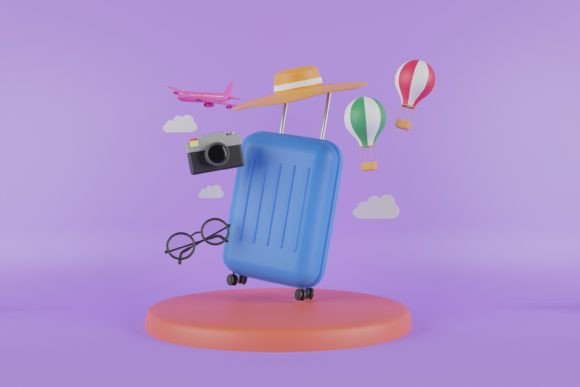
3D Travel by Plane Creative Concept: A Modern Approach to Visual Storytelling in Aviation
The 3D Travel by Plane Creative Concept is a visually engaging and innovative design approach that brings the experience of air travel into the digital realm with depth, realism, and dynamic storytelling. This concept leverages 3D modeling and animation techniques to create immersive visuals of airplanes, flight paths, destinations, and travel experiences. Whether you're designing for marketing, user interface (UI/UX), or promotional content, this concept offers a unique way to capture attention and communicate complex ideas effectively.
What Makes 3D Travel by Plane Creative Concept Unique?
Traditional travel visuals often rely on 2D images or static photography, which can be limiting in terms of perspective and engagement. In contrast, the 3D Travel by Plane Creative Concept introduces a multidimensional layer that simulates real-world environments and interactions. Key elements include:
- Realistic Aircraft Models: High-quality 3D renderings of planes that reflect accurate details such as cabin layout, exterior paint, and aerodynamic features.
- Interactive Flight Routes: Animated visualizations of flight paths over maps or terrain, allowing viewers to "follow" a journey from takeoff to landing.
- Dynamic Destination Transitions: Smooth transitions between departure and arrival locations, using 3D effects to showcase landmarks, cities, or landscapes.
- Customizable Environments: The ability to modify lighting, weather conditions, and background settings to match brand identity or campaign themes.
This level of detail and interaction makes it ideal for industries where visual appeal and clarity are essential, such as airline promotions, travel app interfaces, or event banners for aviation-related businesses.
Comparing 3D Travel by Plane Creative Concept to Other Design Approaches
When evaluating different creative concepts for travel and aviation projects, it's important to understand how the 3D Travel by Plane approach stacks up against other popular methods:
1. 2D Illustrations vs. 3D Travel by Plane
While 2D illustrations remain a staple in many travel campaigns due to their simplicity and cost-effectiveness, they lack the spatial depth and realism that 3D models provide. The 3D Travel by Plane Creative Concept excels when the goal is to offer an experiential feel or simulate movement through space. For instance, a banner promoting a new international route might use a 3D plane flying across a globe rather than a flat image of a map and aircraft silhouette.
2. Video Content vs. 3D Travel by Plane
Video is powerful for storytelling but often requires more production time and resources. The 3D Travel by Plane concept can be used to generate animated sequences quickly and efficiently. It’s especially useful for creating looping animations or interactive UI components that need to be scalable and reusable without the overhead of live-action filming.
3. Infographics vs. 3D Travel by Plane
Infographics are great for data-driven storytelling, but they may not evoke the emotional or sensory response needed for a compelling travel narrative. The 3D Travel by Plane Creative Concept bridges this gap by combining informative visuals with an immersive experience. Imagine a poster that doesn’t just show flight times and routes but animates a plane soaring over iconic mountain ranges or bustling city skylines.
Strengths and Tradeoffs of Using the 3D Travel by Plane Concept
Adopting the 3D Travel by Plane design approach comes with several advantages, but also some considerations based on your project goals and resources:
Strengths
- High Engagement: The visual richness of 3D graphics captures attention better than traditional formats, making it suitable for digital ads, social media posts, and web headers.
- Brand Differentiation: Airlines and travel companies can use 3D visuals to stand out in a crowded market by offering a fresh, modern aesthetic.
- Scalability: Once created, 3D assets can be reused across multiple platforms—banners, websites, posters, and even AR/VR applications—with minimal adjustments.
- Storytelling Potential: With the ability to animate scenes and simulate flight, the 3D Travel by Plane concept supports deeper narratives about the journey itself.
Tradeoffs
- Resource Intensive: Producing high-quality 3D visuals typically requires skilled designers, specialized software, and more time compared to simpler 2D designs.
- File Size and Performance: 3D animations and models can be heavier in file size, potentially affecting website load speed if not optimized properly.
- Limited Text Readability: Because of the focus on imagery and motion, integrating readable text within these visuals can be challenging without careful planning.
- Cost Considerations: Depending on the complexity and number of iterations required, the budget for 3D projects may be higher than for 2D alternatives.
Best-Fit Situations for the 3D Travel by Plane Creative Concept
Understanding when to apply the 3D Travel by Plane concept is key to maximizing its impact. Here are some scenarios where it shines:
- Marketing Banners: Use 3D visuals to highlight new destinations or special offers, giving users a sense of movement and direction.
- Website Headers and Hero Sections: Animate a 3D plane transitioning from one location to another to reinforce the theme of travel and adventure.
- Mobile App UI/UX: Incorporate 3D elements in booking processes or destination previews to enhance user experience and make navigation more intuitive.
- Promotional Posters and Print Materials: When printed, 3D-like effects using shading and perspective can still convey depth and motion, appealing to both digital and print audiences.
- Virtual Reality (VR) Experiences: Extend the 3D concept into VR for immersive pre-travel simulations or educational purposes, such as flight training modules.
Limitations and Decision Factors
Despite its strengths, the 3D Travel by Plane concept isn't always the best choice. Several limitations should be weighed before implementation:
- Technical Requirements: Not all platforms support advanced 3D rendering. Ensure compatibility with the target devices and browsers.
- Design Complexity: Overly intricate 3D scenes can overwhelm the viewer or obscure the main message. Balance creativity with usability.
- Project Timeline: If time is a constraint, consider whether a 2D alternative would meet your needs faster without compromising quality.
- Target Audience Preferences: Some demographics may prefer straightforward visuals over complex animations. Conduct audience research to align the design with expectations.
When to Choose the 3D Travel by Plane Creative Concept
If your goal is to create a memorable and immersive visual experience that highlights the journey aspect of travel, then the 3D Travel by Plane concept is a strong candidate. It works particularly well for:
- Airline rebranding efforts that want to emphasize innovation and forward-thinking.
- Travel apps aiming to improve user engagement with interactive and visually rich content.
- Campaigns targeting luxury or premium travel segments where aesthetics play a significant role in decision-making.
- Events or exhibitions focused on aviation technology and future travel trends.
For example, an airline launching a new fleet could use a 3D model of the aircraft to showcase its interior and exterior design in a video or interactive webpage. Similarly, a travel booking platform might integrate a 3D map showing a plane flying from New York to Paris, helping users visualize their trip before finalizing the booking.
When to Consider Alternatives
There are situations where a more minimalist or cost-effective approach might be preferable:
- If the primary objective is to deliver clear information quickly, such as pricing or itinerary details, a 2D infographic or simple icon-based design could be more effective.
- For small-scale campaigns with tight budgets, stock photos or vector graphics may suffice and allow for quicker turnaround.
- Projects with strict compliance requirements, like safety-related materials, may benefit from a clean, non-distracting visual style rather than a 3D simulation.
- When targeting older audiences or low-tech environments, simpler visuals are often more accessible and easier to interpret.
In these cases, the 3D Travel by Plane concept may add unnecessary complexity or fail to resonate with the intended audience. It’s crucial to assess your objectives, audience preferences, and technical capabilities before committing to a 3D approach.
Practical Examples of the 3D Travel by Plane Concept in Action
Here are some real-world use cases where the 3D Travel by Plane concept has been successfully applied:
- Banner Ad Campaigns: Airlines have used 3D plane animations to promote seasonal deals or new routes. These banners often show a plane flying over scenic locations to entice travelers.
- Flight Booking Interfaces: Some travel apps feature a 3D view of the selected aircraft, allowing users to explore seat options, cabin classes, and amenities interactively.
- Event Promotions: Aviation expos and trade shows frequently incorporate 3D visuals in their posters and digital displays to represent futuristic travel concepts or new technologies.
- Corporate Presentations: Companies in the travel industry use 3D visuals to demonstrate growth strategies, such as expanding flight networks or enhancing customer service through virtual tours.
How to Evaluate the Right Fit for Your Project
Evaluating whether the 3D Travel by Plane concept is appropriate for your next design project involves considering several factors:
- Objective Clarity: Does the 3D concept help you achieve your communication goals? Or will it distract from the core message?
- Technical Feasibility: Do you have the tools, skills, or collaborators needed to execute the concept effectively?
- Platform Compatibility: Will the 3D visuals perform well on the platforms you plan to use (e.g., mobile, desktop, print)?
- Timeframe and Budget: Is there enough time and financial room to invest in a 3D project, or do you need something simpler and faster?
Conducting a quick feasibility test with a prototype or sample asset can help determine whether the 3D Travel by Plane concept is worth pursuing. It’s also wise to gather feedback from stakeholders and potential users early in the process to ensure alignment with expectations.
Conclusion
The 3D Travel by Plane Creative Concept offers a bold and modern way to visualize air travel, blending artistic creativity with functional design. Its immersive qualities make it well-suited for branding, promotion, and user engagement in the travel and aviation sectors. However, it’s not a one-size-fits-all solution. By comparing it with other design approaches and carefully weighing its benefits and limitations, you can decide whether it’s the right fit for your specific needs.