3D Man Exploring Virtual Reality: A Visual Tool for Modern Applications
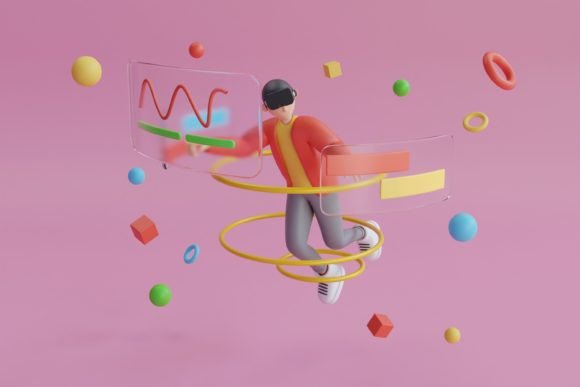
The concept of 3D Man Exploring Virtual Reality has emerged as a powerful visual representation in the digital design world. This image typically features a stylized 3D character navigating through a virtual environment, often symbolizing innovation, technology, and the future of immersive experiences. The design is commonly available in formats like JPG and PNG, making it highly versatile for use across different platforms and creative projects.
Understanding the Design
A 3D man exploring virtual reality graphic is more than just an artistic image; it's a symbolic illustration that captures the essence of technological advancement and user engagement. These visuals are crafted using 3D modeling software and rendered to create a lifelike or stylized appearance. The figure may wear VR headsets, interact with digital elements, or appear in futuristic settings, all of which emphasize the theme of virtual exploration.
Such designs are frequently used in presentations, websites, marketing materials, and educational content to represent the idea of entering a digital space. They can also serve as background imagery for tech-related infographics, landing pages, and UI/UX mockups. The level of detail and realism varies depending on the intended use, but the core message remains consistent — bridging the gap between the real and the virtual world.
Why People Are Interested in This Design
Designers, marketers, and developers are increasingly drawn to the 3D man exploring virtual reality motif because it aligns with the growing interest in immersive technologies. As virtual reality (VR) becomes more mainstream in industries like gaming, education, healthcare, and real estate, there’s a rising demand for imagery that communicates this cutting-edge experience effectively.
- Visual storytelling: It allows creators to convey complex ideas about technology and user interaction in a simple, engaging way.
- Brand relevance: For companies working in the tech or digital space, this design reinforces their connection to innovation and modern solutions.
- Cross-platform adaptability: Its clean lines and dynamic composition make it suitable for both print and digital media.
- UI/UX integration: The image can be layered into interface designs to highlight interactive components or guide user navigation.
Advantages
Using a 3D man exploring virtual reality image offers several benefits:
- High visual impact: The image immediately grabs attention and communicates a sense of immersion and interactivity.
- Professional quality: When sourced from reputable design platforms, these images are high-resolution and suitable for professional use.
- Time-efficient: Instead of commissioning custom illustrations, users can quickly find and implement pre-made assets into their projects.
- Consistency in branding: The design style can be reused across multiple assets to maintain a cohesive brand identity.
Potential Limitations
Despite its advantages, there are some tradeoffs to consider:
- Licensing restrictions: Depending on where the file is obtained, usage rights might be limited to specific purposes or require attribution.
- Generic appeal: While effective for many contexts, the design may lack uniqueness if not customized to fit a particular project or brand voice.
- Technical compatibility: Some low-quality PNG or JPG files may not scale well for large-format printing or high-resolution displays.
- Contextual relevance: Not all audiences will connect with the VR theme, especially in sectors unrelated to technology or digital transformation.
Key Considerations Before Using the Design
Before integrating a 3D man exploring virtual reality image into your work, it’s important to evaluate a few factors:
1. Purpose and Context: Determine whether the design supports the message you're trying to deliver. If your project involves virtual reality, augmented reality (AR), or digital product development, the image can be highly relevant. However, if your content is more traditional or unrelated to immersive tech, it might not resonate as effectively.
2. Audience Perception: Think about how your target audience views virtual reality. For younger or tech-savvy demographics, the imagery may feel exciting and forward-thinking. For older or non-technical audiences, it could come off as abstract or confusing without proper context.
3. Image Quality and Format: Ensure the resolution and format meet your project requirements. High-resolution PNG files are generally preferred for transparency and clarity, while JPGs may be more suitable for web-based banners or social media graphics due to smaller file sizes.
4. Licensing and Usage Rights: Always verify the licensing terms before downloading or using any design asset. Some images are free for personal use but require payment for commercial applications. Others may have strict rules around modification or redistribution.
Situations Where This Design Excels
The 3D man exploring virtual reality image is particularly effective in the following scenarios:
- Website headers and banners: Use it to introduce a section focused on VR technology, simulations, or digital experiences.
- Infographics and presentations: Illustrate how users interact with virtual environments during training, gaming, or product demos.
- App or software promotions: Showcase the immersive capabilities of a VR-enabled application or platform.
- Marketing campaigns: Highlight the innovative aspects of your business in sectors like e-learning, architecture, or entertainment.
- UI/UX prototypes: Represent user avatars or interactions within a digital product being designed.
When Alternatives Might Be Better
While the 3D man exploring virtual reality design is versatile, there are situations where other types of imagery or design elements might be more appropriate:
- Traditional industries: In sectors like agriculture, manufacturing, or finance, a more realistic or industry-specific image may better communicate your message.
- Minimalist or abstract design styles: If your brand or project favors simplicity, a flat design or vector-based illustration could be more fitting.
- Non-English speaking markets: Cultural differences may affect how certain symbols or characters are perceived. Localized or culturally neutral alternatives should be considered.
- Cost-sensitive projects: Free stock images or simpler icons might be preferable if budget constraints limit access to premium 3D assets.
Practical Insights for Decision-Making
To determine whether the 3D man exploring virtual reality image aligns with your goals, ask yourself the following questions:
- Does the image clearly support the purpose of my project?
- Will it enhance the user experience or distract from the main message?
- Am I able to modify or customize the image to match my brand guidelines?
- Are there existing alternatives that could achieve the same effect more efficiently or affordably?
Additionally, consider testing the image with a small group of your target audience to gauge reactions. Feedback can help you decide if the visual metaphor works well or if adjustments are needed.
Final Thoughts
The 3D man exploring virtual reality design is a compelling visual tool that can elevate your creative projects when used thoughtfully. Whether you’re building a website, crafting promotional material, or designing a poster, this image has the potential to engage viewers and reinforce your message about digital innovation.
However, its effectiveness depends on your specific needs, audience, and design strategy. By carefully weighing the benefits and limitations, you can make an informed decision about whether this asset is the right choice for your next endeavor.