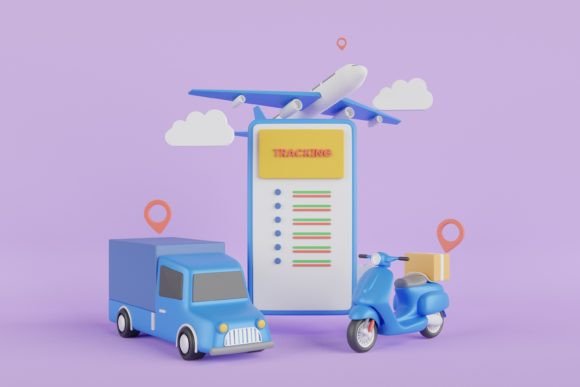
3D Logistic Application Service Concept: A Strategic Tool for Visualizing and Optimizing Supply Chain Solutions
The 3D Logistic Application Service Concept is an innovative approach to representing logistics processes in a three-dimensional visual format. This concept goes beyond traditional 2D diagrams by leveraging digital modeling and animation to create immersive, scalable representations of supply chain operations. Whether you're designing a website, creating promotional materials, or planning user interfaces, the 3D Logistic Application Service Concept offers a powerful way to communicate complex systems clearly and effectively.
Why the 3D Logistic Application Service Concept Matters
In today’s fast-paced business environment, clarity and precision are essential. Logistics is a multifaceted domain involving transportation, inventory management, warehousing, and delivery coordination. The 3D Logistic Application Service Concept simplifies these elements into a visually intuitive framework that stakeholders can quickly grasp. This makes it especially valuable for professionals who need to present logistical strategies to clients, investors, or internal teams without relying on technical jargon.
By using this concept, businesses can align their strategic goals with tangible visuals, enabling more informed decision-making. It supports not only operational efficiency but also enhances communication, creativity, and branding across multiple platforms—from UI/UX design to marketing banners and posters.
Planning and Positioning
When developing a logistics strategy, the 3D Logistic Application Service Concept can serve as a foundational tool. It allows planners to model different scenarios, such as optimizing warehouse layouts or simulating delivery routes. These models help position your company as forward-thinking and data-driven, which is crucial when pitching to potential partners or securing funding.
- Route Optimization: Create a 3D map showing various delivery paths and their estimated times.
- Warehouse Design: Model storage spaces, loading docks, and inventory flow for better spatial understanding.
- Resource Allocation: Visualize how staff and equipment move through a logistics network in real time.
Communication and Creativity
Visual storytelling has become a cornerstone of effective communication. The 3D Logistic Application Service Concept can be used creatively to explain how goods move from production to the end customer. For instance, a short animated clip using this concept could illustrate the journey of a product through a global supply chain during a presentation or on a landing page.
This creative use isn't just about aesthetics—it's about making information digestible. Marketers can repurpose these visuals for social media, infographics, and even virtual reality experiences. Educators might use them in training modules to teach students about supply chain dynamics in an engaging way.
Productivity and Learning
Implementing the 3D Logistic Application Service Concept in training programs can significantly boost productivity. Employees working in logistics often deal with abstract processes that are hard to visualize. A well-crafted 3D model can make these processes clearer, reducing onboarding time and minimizing errors due to miscommunication.
- Integrate 3D models into employee training to simulate real-world logistics challenges.
- Use interactive 3D environments to test new procedures before full-scale implementation.
- Create knowledge hubs where staff can explore logistics concepts in a visual, hands-on manner.
Practical Applications of the 3D Logistic Application Service Concept
Here are several realistic use cases where the 3D Logistic Application Service Concept proves invaluable:
Websites and Landing Pages
On corporate websites, especially those targeting B2B audiences, incorporating 3D animations based on this concept can showcase a company's capabilities in a compelling way. Imagine a homepage video demonstrating your logistics software’s ability to track shipments in real time—this kind of content builds trust and highlights technological superiority.
Promotional Materials and Banners
Static banners often fail to capture attention. By applying the 3D Logistic Application Service Concept, you can create dynamic banners that animate key parts of your service offering. For example, a banner for a freight company could show a 3D truck navigating a route while highlighting features like GPS tracking and fuel optimization.
UI/UX Design
User experience (UX) is critical in logistics applications. Using the 3D Logistic Application Service Concept, designers can build intuitive dashboards where users interact with 3D maps and models. This not only improves usability but also enhances engagement, particularly for clients managing large volumes of shipments daily.
Posters and Print Media
Even in print, 3D visuals can stand out. Posters designed with the 3D Logistic Application Service Concept can depict streamlined operations, automated warehouses, or interconnected global networks. Such designs attract attention at trade shows, conferences, and office lobbies, reinforcing brand identity and thought leadership.
How to Approach the 3D Logistic Application Service Concept Thoughtfully
Before diving into any 3D project, consider the following steps to ensure it serves your strategic intent:
- Define Clear Objectives: Are you aiming to educate, promote, or improve internal operations? Your goal will dictate the depth and style of the 3D model.
- Understand Your Audience: Tailor the complexity and detail of your 3D visuals to match the needs and comprehension level of your target viewers.
- Choose the Right Tools: There are many software options available for creating 3D logistics models, including Blender, Unity, and specialized logistics simulation tools. Evaluate each based on cost, scalability, and ease of integration.
- Focus on Realism and Accuracy: Misleading visuals can undermine credibility. Ensure that your 3D models reflect actual logistics flows, timelines, and constraints.
- Test and Iterate: Before final deployment, gather feedback from early users or stakeholders. Refine the model based on their input to maximize effectiveness.
Risks and Considerations
While the 3D Logistic Application Service Concept offers numerous benefits, it also comes with potential risks if used without clear context or objectives:
- Over-Complication: Excessive detail can overwhelm users and obscure the main message. Keep visuals focused on what matters most for your audience.
- High Costs: Developing high-quality 3D content requires investment in software, hardware, and skilled personnel. Plan accordingly and assess whether the ROI justifies the expense.
- Misalignment with Brand Tone: If your brand values simplicity and minimalism, a flashy 3D model may clash with your identity. Ensure the visual tone matches your overall brand strategy.
- Technical Limitations: Not all platforms support advanced 3D rendering. Test your content across devices and formats to maintain accessibility and performance.
Without clear goals, the 3D Logistic Application Service Concept can become a novelty rather than a strategic asset. To avoid this, always begin with a purpose and let the visual design follow—not the other way around.
Long-Term Value and Integration
Investing in the 3D Logistic Application Service Concept isn’t just about one-time visuals; it’s about building a foundation for long-term innovation. Once developed, these models can be reused and updated for future campaigns, training sessions, or system improvements. They provide a reusable framework that adapts as your logistics strategy evolves.
Moreover, integrating 3D visualization into your operations can lead to measurable improvements in efficiency. Teams can identify bottlenecks, optimize workflows, and forecast outcomes more accurately. In education and training, these models foster deeper understanding and faster skill acquisition.
Freight Company Dashboard
A major freight company implemented the 3D Logistic Application Service Concept into its driver dashboard. The result was a significant reduction in route confusion and improved response times during unexpected delays. Drivers could see a 3D representation of their current location and upcoming stops, allowing for quicker adjustments and better communication with dispatchers.
E-commerce Warehouse Planning
An e-commerce startup used 3D modeling to plan its first physical warehouse. By visualizing the layout, they identified inefficiencies in conveyor placement and reorganized the space to reduce handling time by 20%. This practical application saved costs and increased throughput capacity without additional infrastructure investments.
Marketing Campaign for a Logistics Software Provider
A SaaS provider for logistics management created a series of animated videos using the 3D Logistic Application Service Concept. Each video demonstrated a specific feature, such as real-time tracking or predictive analytics. The campaign led to a 35% increase in demo sign-ups and helped position the company as an industry leader in tech-forward solutions.
Planning Tips for Effective Deployment
To get the most out of the 3D Logistic Application Service Concept, consider these tips during the planning phase:
- Start small with a pilot project to test feasibility and impact.
- Collaborate with logistics experts to ensure accuracy and relevance.
- Keep file sizes manageable for web and mobile compatibility.
- Use consistent color schemes and branding elements to reinforce identity.
- Consider adding interactivity for enhanced user engagement.
Final Thoughts on Intentional Use
The 3D Logistic Application Service Concept is not a gimmick—it's a strategic enabler. When applied intentionally, it can streamline operations, enhance communication, and elevate your brand's perception in the market. However, success depends on thoughtful planning, alignment with business goals, and continuous evaluation.
As you explore integrating this concept into your work, ask yourself: What do I want my audience to understand? How can 3D visualization best support that understanding? And how will I measure the impact of this new approach?
Answering these questions will help ensure that your use of the 3D Logistic Application Service Concept is both effective and efficient, delivering long-term value rather than fleeting novelty.