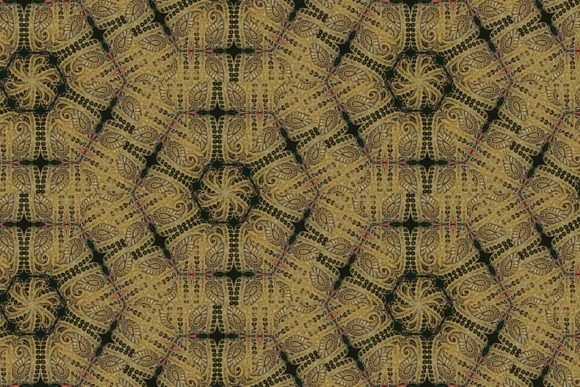
Arabesque Ethnic Texture Design to Print: A Versatile Element for Creative and Commercial Use
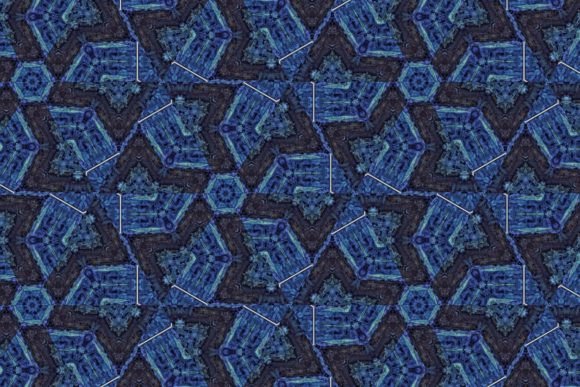
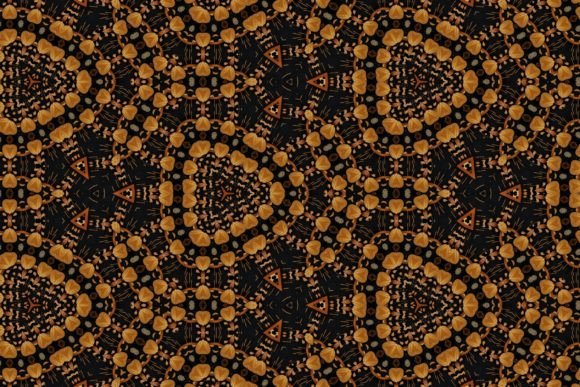
Arabesque Ethnic Texture Design to Print is a richly intricate visual style rooted in the cultural artistry of the Middle East, North Africa, and South Asia. Known for its elaborate geometric patterns, flowing floral motifs, and symmetrical compositions, this design approach brings an air of elegance, mystique, and authenticity to any project. Whether you're looking to spruce up your website's background or create a unique Moroccan-inspired textile print, Arabesque designs offer endless possibilities for creativity and personalization.
Where and When to Use Arabesque Ethnic Texture Designs
These designs are incredibly versatile and can be applied across various domains. In digital spaces like websites or mobile apps, they serve as mystical pattern backgrounds, enhancing user experience with their ornate yet harmonious visuals. For physical products, such as Turkish fashion items or interior carpet decorations, Arabesque ethnic textures bring a timeless charm that appeals to both traditional and modern aesthetics.
Consider using them in:
- Interior design projects for wall murals or flooring
- Apparel and textile production, especially for batik or embroidery concepts
- Branding materials where a sense of luxury and heritage is desired
- Digital assets like social media covers, presentation slides, or blog headers
For Digital Creators and Web Developers
If you're working on a website or app interface, integrating an Arabesque Ethnic Texture Design to Print as a background can elevate the overall look significantly. The repeated pattern design elements work well as subtle overlays behind text or images without overwhelming the content. For instance, a travel blog focused on Morocco could use a geometric stripe ornament cover photo to set a strong visual tone while maintaining readability and aesthetic appeal.
Practical tip: Pair Arabesque textures with neutral color schemes to ensure legibility. High-contrast combinations might clash with the detailed nature of these designs.
For Entrepreneurs and Small Business Owners
Entrepreneurs in the fashion or home décor industries often seek distinctive designs to stand out in competitive markets. A Turkish fashion line featuring Arabesque ethnic texture prints can attract buyers who appreciate artisanal craftsmanship and cultural storytelling. Similarly, small businesses selling handmade carpets or floor tiles can leverage these patterns to market products as authentic and exotic.
Using 3D illustration art inspired by Arabesque motifs adds depth and visual interest, making it ideal for product mockups or virtual showrooms. This helps customers envision how the final product will look in real life before purchasing.
For Educators and Cultural Institutions
Teachers and museum curators frequently need engaging visual resources to explain historical or artistic traditions. An Arabesque Ethnic Texture Design to Print can be used in educational posters or interactive displays to highlight the connection between Islamic architecture and textile arts. Its repeating motifs and symbolic geometry make it a perfect tool for illustrating complex cultural narratives in a visually compelling way.
In classroom settings, students might explore how these patterns reflect mathematical precision and spiritual symbolism—offering cross-disciplinary learning opportunities in art, history, and even STEM fields.
For Home Decor Enthusiasts
Homeowners and renters alike are always on the lookout for ways to personalize their living spaces. Arabesque ethnic textures provide a unique touch when printed as wallpaper or incorporated into carpet decoration ideas. Imagine transforming a plain living room wall into a focal point with a repeated pattern design that mimics the look of traditional Moroccan textiles. It’s not just about beauty—it’s about creating an immersive environment that tells a story.
Such designs also pair well with other global styles. If your home already features Mediterranean or Bohemian elements, adding an Arabesque-inspired texture can tie the space together seamlessly.
Choosing the Right Arabesque Design for Your Project
Before diving into Arabesque Ethnic Texture Design to Print, consider the following factors to ensure it aligns with your goals:
- Project purpose: Will the design be used digitally or physically? This affects resolution, format, and scalability.
- Color scheme: Traditional Arabesque patterns often feature earthy tones and metallic accents. Choose colors that complement your existing palette.
- Scale and repetition: Some designs work better as large-scale wall murals, while others suit smaller, repeatable formats like fabric prints.
- Cultural relevance: Ensure respectful representation if the design is being used in marketing or educational contexts.
For example, a designer creating a new line of batik-style clothing might prefer muted, warm hues to maintain the authenticity of the ethnic texture. On the other hand, a digital marketer crafting a landing page might go for brighter, more contrasting versions to capture attention.
How Different Users Can Benefit
Freelancers and indie creators often rely on ready-to-use design templates. Accessing Arabesque Ethnic Texture Design to Print assets allows them to quickly add cultural flair to client projects without sacrificing quality or originality. These textures are particularly popular among bloggers focusing on lifestyle, fashion, or travel content.
Small business owners in the giftware or décor niche may benefit from downloadable Arabesque patterns that can be printed onto canvas, mugs, or cushions. Offering these as customizable options can help increase customer engagement and satisfaction.
Marketers and brand designers can utilize these motifs to craft campaigns that resonate with audiences interested in global culture, spirituality, or high-end design. Think of luxury spa branding using mystical pattern backgrounds to evoke serenity and sophistication.
What to Watch Out For Before Applying the Design
While Arabesque ethnic textures are visually stunning, they can sometimes be too busy for certain applications. Always test the design at scale before printing or publishing. A pattern that looks great on a screen might become distracting when printed on fabric or tiled across a floor.
Also, consider the context. Using a bold Arabesque pattern on a website homepage might be appropriate for a boutique hotel promoting Moroccan experiences, but it could overwhelm a minimalist e-commerce site. Balance is key to ensuring the design enhances rather than hinders usability.
Another thing to note is licensing. If you’re downloading or buying these designs online, confirm whether they’re royalty-free or require attribution. Many platforms offer curated collections specifically tailored for commercial use, which is essential for businesses or entrepreneurs planning to sell products featuring the design.
Realistic Examples and Scenarios
Let’s say you run a small online store specializing in home décor. You want to introduce a new line of embroidered cushion covers. By sourcing an Arabesque Ethnic Texture Design to Print, you can create a collection that feels both globally inspired and uniquely crafted. The geometric stripe ornament patterns would lend themselves well to stitching, giving each piece a tactile dimension that customers love.
Now imagine you’re a web developer tasked with redesigning a yoga studio's website. A mystical pattern background derived from Arabesque motifs could subtly reinforce the theme of mindfulness and balance. The design doesn’t have to take center stage; instead, it supports the atmosphere by offering a serene, meditative backdrop.
Or perhaps you’re a blogger documenting a trip through Turkey and Tunisia. Adding a Turkish fashion-themed tile pattern to your site header instantly connects your audience to the cultural essence of your journey. It's a simple detail that makes your content feel more immersive and authentic.
Connecting Features to Real Outcomes
The beauty of Arabesque Ethnic Texture Design to Print lies in how its characteristics translate into tangible results. The intricate details and symmetry are not just for show—they can convey themes of unity, infinity, and spiritual harmony. This makes the design suitable for brands that want to communicate values like tradition, innovation, or peace.
When used in batik or embroidery concepts, the layered complexity of these patterns can result in pieces that feel handcrafted and meaningful. Even mass-produced items gain a sense of individuality when infused with Arabesque elements, helping to justify higher price points and differentiate from generic alternatives.
From a practical standpoint, these designs are scalable and adaptable. They can be simplified for logos or expanded into full-wall murals, depending on the need. This adaptability is what makes them so valuable across different mediums and industries.
Final Thoughts on Implementation
Whether you're designing a website, launching a new product line, or decorating your own home, Arabesque Ethnic Texture Design to Print offers a blend of cultural richness and visual sophistication. It's a resource that bridges the gap between traditional art forms and modern applications, making it accessible and relevant to today’s creative landscape.
By thoughtfully selecting and applying these patterns, users can achieve outcomes that are not only aesthetically pleasing but also culturally resonant. The key is understanding the context and purpose behind each use case, ensuring the design serves the message rather than just filling space.