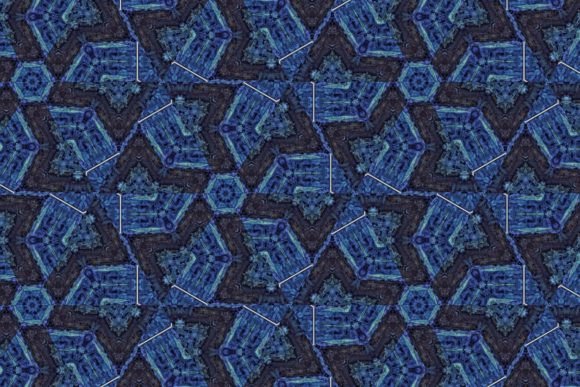
Exploring the Beauty and Versatility of Abstract Pattern Design for Background
Abstract pattern design has long been a staple in visual arts, offering a dynamic way to express creativity while serving practical purposes. Whether you're designing digital interfaces, crafting physical spaces, or creating fashion-forward apparel, abstract pattern design for background can elevate your work with its unique blend of form and function. This article delves into how these designs are being utilized in modern contexts such as 3D illustration for wallpaper, interior decoration ideas, trendy embroidery and batik concepts, mosaic floors, T-shirt print work, Moroccan textile prints, Turkish fashion-inspired floor tiles and carpets, Arabesque ethnic textures, and geometric stripe ornament cover photos.
The Role of Abstract Patterns in Modern Interior Design
In contemporary interior design, abstract patterns have become essential tools for adding depth, character, and interest to any space. They provide a non-literal approach to design that allows for personal interpretation and emotional resonance. When used as a background element—be it on walls, flooring, or decorative accents—abstract patterns help define the mood of a room without overwhelming it.
One popular application is the use of 3D illustration for wallpaper, where abstract motifs come to life through layered effects and optical illusions. These wallpapers can transform plain walls into focal points, making them ideal for both residential and commercial settings. The advantage lies in their ability to adapt to various styles, from minimalist lofts to eclectic living rooms.
Moroccan Textile Prints and Repeated Pattern Designs
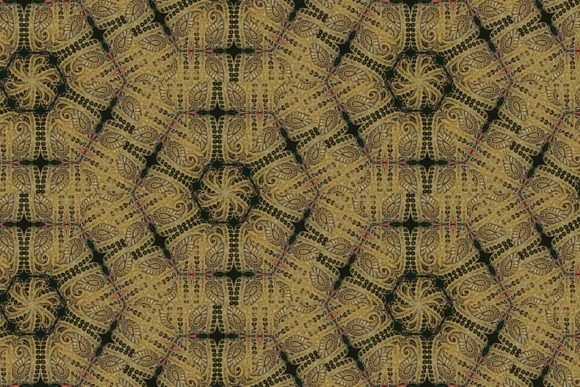
When exploring repeated pattern design for Moroccan textile print, one discovers a rich cultural heritage intertwined with geometric abstraction and intricate symmetry. These traditional designs often feature overlapping shapes, floral elements, and repeating motifs that create rhythm and movement across surfaces. By adapting this concept into modern abstract patterns, designers can honor tradition while appealing to current aesthetics.
- Cultural Inspiration: Moroccan textiles draw from Berber, Arab, and Andalusian influences, offering a diverse palette of forms and colors.
- Repeated Motifs: Repetition enhances visual continuity, which is especially effective in large-scale fabric or wall applications.
- Modern Adaptations: Contemporary artists reinterpret these age-old designs using bold lines, monochromatic schemes, and digital enhancements.
Designing with Mosaic Floors and Abstract Patterns
Mosaic floors offer an excellent canvas for abstract pattern design for background. The small, varied tiles allow for precise placement of colors and shapes, enabling the creation of complex yet harmonious designs. In many modern homes and public spaces, abstract mosaics are preferred over traditional ones because they evoke a sense of innovation and artistic freedom.
Consider how a designer might use geometric stripe ornament cover photo techniques in a mosaic layout. Striped patterns can be manipulated into abstract formations by varying tile size, color intensity, and orientation. This not only creates visual interest but also offers a fresh take on classic tiling methods.
Turkish Fashion Meets Tile and Carpet Design
Turkish fashion, particularly in the realm of home décor, has embraced abstract design as a means of expressing identity and sophistication. Floor tiles and carpets inspired by Turkish motifs often incorporate pattern for background design principles, blending geometry with organic flow. These elements are now being reimagined with abstract interpretations that reflect global design trends while maintaining cultural roots.
- Historical Context: Traditional Turkish carpet designs include medallions, arabesques, and floral arrangements, all of which can be abstracted into simplified forms.
- Contemporary Appeal: Abstract versions of these designs appeal to a younger generation looking for modern yet meaningful décor.
- Application Variety: From kitchen backsplashes to living room rugs, abstract Turkish-inspired patterns add texture and visual warmth.
Embroidery and Batik: New Trendy Concepts in Fabric Art
With the resurgence of handmade and artisanal crafts, new trendy embroidery and batik concepts are emerging that integrate abstract pattern design. These techniques allow for intricate detailing and vibrant color palettes, making them perfect for custom clothing, home linens, and accessories.
For instance, batik traditionally involves wax-resist dyeing, but when combined with abstract patterns, it opens up endless possibilities. Artists experiment with irregular shapes, negative space, and asymmetric compositions to create pieces that stand out. Similarly, embroidery is evolving beyond floral and lace themes, embracing geometric and fluid abstract designs that resonate with today's fashion-forward individuals.
Print Work for T-Shirts: Making a Statement with Abstraction
In the world of fashion, especially casual wear like T-shirts, print work for t shirt has seen a shift towards more abstract expressions. Consumers seek clothing that reflects individuality, and abstract patterns provide the perfect medium for self-expression.
Designers often start with a simple sketch and then build layers of color, shape, and texture to craft something truly unique. For example, a basic circular motif can evolve into a multi-dimensional abstract piece using gradient fills and overlapping elements. These designs don't just look good—they tell stories and spark conversations.
Arabesque Ethnic Texture and Its Influence
The Arabesque ethnic texture is a powerful source of inspiration for abstract pattern design. Characterized by flowing lines, interlocking shapes, and ornate detail, Arabesque art has a timeless quality that resonates well with modern audiences. When translated into abstract forms, these textures retain their elegance while gaining a contemporary edge.
Designers working with pattern for background design often blend Arabesque motifs with other styles to create hybrid patterns. This fusion works exceptionally well in digital illustrations, where subtle gradients and translucency can mimic the delicate intricacy of the original style.
Creating a Cohesive Theme with 3D Illustration
A 3D illustration for wallpaper can serve as the centerpiece of a themed room. With careful planning, the same abstract pattern can be echoed in furniture, lighting fixtures, and even window treatments. This method ensures a cohesive look that feels intentional and stylish.
Here’s how to implement this effectively:
- Choose a Dominant Color Palette: Stick to a consistent set of hues to unify different design elements.
- Layer Depth with Patterns: Use variations of the same abstract motif at different scales to create dimensionality.
- Balance with Solid Elements: Counteract the complexity of 3D patterns with neutral or solid-colored furniture and accessories.
Geometric Stripe Ornament Cover Photos
Photography is another area where geometric stripe ornament cover photo concepts shine. Abstract patterns in the background can complement the subject or act as a stylistic choice that defines the entire composition. Whether you're capturing a product shot or a lifestyle image, the right abstract pattern can enhance the narrative and aesthetic value of the photograph.
Some photographers prefer digitally created patterns, while others may use real-world textures like wallpaper or fabrics. Either way, the goal is to find a balance between the foreground and the abstract pattern design for background that doesn’t distract but instead elevates the overall visual experience.
Practical Considerations When Using Abstract Patterns
While abstract pattern design for background is versatile and visually engaging, there are several factors to consider before implementing it in a project:
- Scale and Proportion: Large, intricate patterns may overwhelm smaller spaces or garments. Test designs at scale before finalizing.
- Color Harmony: Ensure that the pattern complements the surrounding elements. High contrast can be striking, but must be used thoughtfully.
- Material Compatibility: Not all patterns translate well to every material. Digital versus physical applications require different considerations.
- Functionality vs. Aesthetics: In functional items like rugs or clothing, ensure the design doesn’t compromise usability.
Real-World Examples of Abstract Pattern Usage
Let’s explore some real-world examples of how abstract pattern design for background is shaping interiors and fashion:
- Restaurant Décor: A café in Istanbul uses Turkish-inspired abstract tile work in its flooring and wall sconces to create a warm, inviting ambiance.
- Home Living Room: An apartment in Marrakech features Moroccan-style repeated patterns in abstract form on cushions and curtains, paired with geometric striped accent walls.
- Streetwear Collection: A young designer in Amsterdam launches a line of T-shirts with batik-inspired abstract prints, gaining traction among urban fashion enthusiasts.
- Office Space: A startup company opts for 3D illustrated abstract wallpaper in meeting rooms to stimulate creativity and conversation.
Tools and Techniques for Creating Abstract Patterns
Creating abstract pattern design for background requires a mix of creativity and technical skill. Here are some common tools and techniques used by professionals:
- Digital Software: Programs like Adobe Illustrator and Photoshop allow for precise manipulation of shapes, colors, and repetition.
- Hand Drawing: Sketching by hand remains a foundational technique for developing unique motifs before digitization.
- Pattern Libraries: Many platforms offer libraries of geometric and abstract shapes that can be customized and combined.
- 3D Modeling Tools: For those interested in 3D illustration for wallpaper, Blender and Cinema 4D provide advanced modeling capabilities.
How Educators Can Integrate Pattern Design into Curriculum
Educators and researchers are increasingly recognizing the value of teaching abstract pattern design for background in art and design curricula. It encourages students to think critically about form, repetition, and spatial relationships.
By incorporating projects like designing a Moroccan textile-inspired print or experimenting with Arabesque ethnic textures, students gain hands-on experience in both historical and contemporary design practices. This approach helps bridge cultural appreciation with modern innovation, preparing future creators to navigate a diverse design landscape.
Future Trends and Innovations
As we move forward, the intersection of technology and tradition continues to inspire new directions in abstract pattern design for background. AI-generated patterns, augmented reality applications for visualizing designs in real-time, and eco-friendly materials are reshaping the industry.
Additionally, cross-cultural collaborations are leading to exciting fusions. Imagine combining Turkish tile aesthetics with Moroccan textile techniques, or Arabesque textures with geometric stripe ornament cover photos for a globally inspired design. These innovations keep the field fresh and relevant, pushing boundaries in both art and functionality.
Conclusion Through Observation
Observing how abstract pattern design for background is applied across different industries reveals its incredible adaptability. From the smallest embroidered detail to expansive 3D-walled office spaces, the potential for creative expression is limitless. As trends evolve, so does our understanding of how these patterns can be integrated meaningfully into everyday environments and fashion statements.