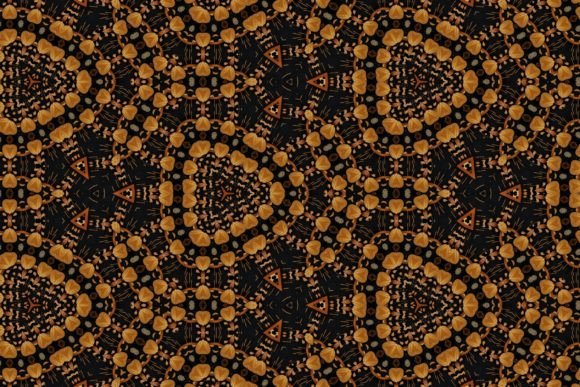
Traditional Mystic Art in Modern Design
Imagine a design that bridges centuries of cultural heritage with the pulse of today’s visual trends—this is the essence of Traditional Mystic Art. Rooted in symbolism, spirituality, and intricate patterns, it offers a timeless aesthetic that continues to inspire contemporary graphic designers. Whether you're crafting a brand identity or designing a digital interface, elements like the geometric stripe ornament, abstract background designs, and repeated pattern motifs from Arabesque ethnic rugs can elevate your work from ordinary to extraordinary.
Understanding Traditional Mystic Art
Traditional Mystic Art refers to artistic expressions that originate from ancient traditions, often incorporating spiritual symbols, repetitive motifs, and symbolic geometry. This art form has been preserved through generations in cultures across the Middle East, North Africa, and beyond. In particular, Arabesque ethnic rugs are renowned for their complex textures and rhythmic symmetry, which reflect deep cultural narratives while offering a visually striking foundation for modern reinterpretation.
Why It Matters in Graphic Design
In an era where minimalism and maximalism coexist on the design spectrum, Traditional Mystic Art provides a unique balance. Its rich textures and ornamental structures add depth and character to visual compositions without overwhelming them. When used thoughtfully, these elements can evoke emotion, tell stories, and connect audiences to a broader cultural context—making them invaluable in branding and content creation.
Practical Applications in Creative Projects
From fashion to interiors, the influence of Traditional Mystic Art extends far beyond historical preservation. Here are some ways this style can be integrated into modern creative workflows:
- Branding and logo design: Use the geometric stripe ornament as a subtle motif in logos or packaging to communicate authenticity and elegance.
- Marketing materials: Apply abstract trendy background designs to brochures or social media graphics for a fresh yet grounded look.
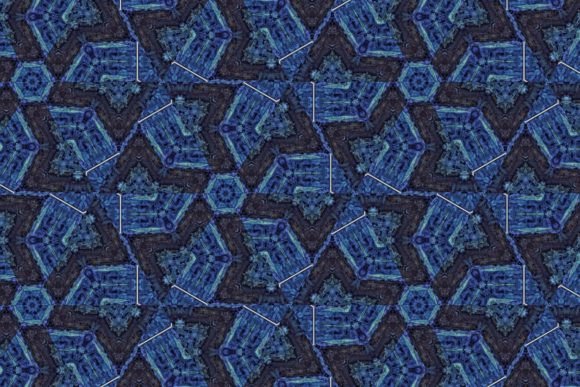
- Web and UI design: Repeated pattern designs from Moroccan textile prints can serve as elegant backgrounds for landing pages or app interfaces.
- Interior decoration: Incorporate Turkish-inspired floor tile textures into digital mockups or print samples for real estate marketing and interior design proposals.
These applications not only enhance visual appeal but also create a sense of cohesion when aligned with the right color palette and typography. For instance, using muted earth tones with bold, stylized fonts can highlight the mystic nature of the artwork while ensuring readability and scalability.
Designing with Cultural Elements
To successfully integrate Traditional Mystic Art into your projects, consider the following tips:
- Study the original context: Understanding the symbolism behind each element ensures respectful and meaningful usage.
- Maintain consistency: Choose one dominant style—like the Arabesque rug texture—and build supporting assets around it to preserve visual harmony.
- Balance complexity and clarity: While these designs are rich in detail, avoid overcomplication in areas like typography or call-to-action buttons.
- Test at different scales: Some patterns may lose their impact when shrunk for icons or blown up for banners; always ensure adaptability.
When applied to print design, such as t-shirt graphics or wallpaper themes, these traditional motifs gain new life. A 3D illustration based on a mosaic floor pattern can serve as a dynamic background for presentations or editorial layouts, adding dimension and intrigue without sacrificing usability.
Enhancing Brand Identity Through Pattern and Texture
A strong brand identity often relies on distinctive visual elements that set it apart. The use of repeated pattern designs and abstract trendy backgrounds inspired by Traditional Mystic Art can help establish a memorable aesthetic. These visuals are particularly effective in sectors like luxury goods, travel, wellness, and artisanal products, where storytelling and cultural connection play key roles.
Consider how a batik concept might evolve into a signature fabric print for a fashion line, or how a Turkish-style floor tile could become a repeating header element on a website. These choices support a visual hierarchy that guides users intuitively through content, improving both UX design and UI design outcomes.
Typography and Color Harmony
Pairing these intricate visuals with the right typography is crucial. Opt for clean, modern fonts to contrast against the ornate patterns, creating a balanced composition. A well-chosen color palette—perhaps drawing inspiration from desert hues or vibrant market colors—can amplify the emotional resonance of your design.
Remember, the goal is not just to replicate tradition but to reinterpret it in a way that feels relevant and authentic to your audience. This approach helps maintain a professional presentation while staying true to the spirit of the original craft.
By thoughtfully selecting and adapting Traditional Mystic Art elements, you can enrich your design workflow and deliver compelling, culturally informed creative projects that stand out in today’s competitive landscape.