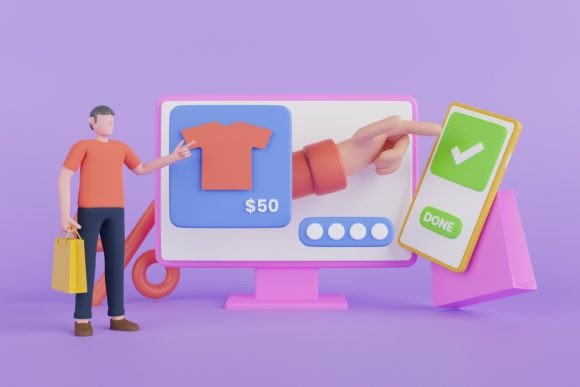
3D Online Shopping Web Search Concept: A New Era in E-Commerce Engagement
In the rapidly evolving world of e-commerce, businesses are constantly seeking innovative ways to enhance user experience and drive conversions. One such groundbreaking approach is the 3D Online Shopping Web Search Concept, which transforms how consumers interact with products online. By integrating 3D models into web search interfaces, this concept offers a more immersive and interactive shopping experience that bridges the gap between physical and digital retail environments.
Understanding the 3D Online Shopping Web Search Concept
The 3D Online Shopping Web Search Concept refers to the use of three-dimensional product visualizations within online search tools. Instead of traditional flat images or static descriptions, shoppers can view detailed 3D models of products, rotate them, zoom in, and explore them from all angles—all before making a purchase decision. This technology is especially useful for items where size, shape, design, or functionality play a significant role in the buyer’s choice, such as furniture, electronics, fashion accessories, and home décor.
This concept is not limited to just showcasing products. It extends to how users search for them. Imagine typing "sofa" into a search bar and being presented with a rotating 3D model of the top-rated sofa, complete with fabric swatches and color options. The integration of 3D visuals directly into search results makes it easier for customers to find what they’re looking for and visualize how it will fit into their lives.
Challenges Addressed by the 3D Online Shopping Web Search Concept
- Impersonal Product Displays: Traditional e-commerce sites often rely on two-dimensional images, which can fail to convey the true look and feel of a product. With 3D visuals, customers get a more realistic impression, reducing uncertainty and increasing confidence in their purchases.
- High Return Rates: Many online retailers struggle with high return rates due to mismatched expectations. A 3D Online Shopping Web Search Concept allows shoppers to examine products closely, helping them make better-informed decisions and ultimately lowering return costs.
- Low Conversion Rates: A lack of engaging content can lead to poor conversion rates. Incorporating 3D models into search results helps capture attention and encourages further exploration, increasing the likelihood of a sale.
- Design Limitations: Designers and developers often face challenges when trying to create visually compelling search experiences. Using 3D assets—such as JPG and PNG files derived from 3D models—enables richer UI/UX without requiring complex coding or design skills.
Goals and Needs of Modern Retailers and Consumers
For retailers, the goal is clear: increase customer satisfaction, reduce bounce rates, and boost sales. For consumers, the need is equally important: to shop efficiently and confidently, knowing exactly what they're getting. The 3D Online Shopping Web Search Concept aligns perfectly with these objectives by offering a more intuitive and engaging way to discover and evaluate products.
Additionally, as mobile shopping continues to rise, having responsive and interactive 3D elements becomes even more critical. These features ensure that the shopping experience remains consistent across devices, catering to the growing number of users who prefer browsing on smartphones or tablets.
How the 3D Online Shopping Web Search Concept Helps
Implementing the 3D Online Shopping Web Search Concept isn’t just about aesthetics—it’s about solving real problems in the customer journey. Here's how it contributes to a more effective online shopping process:
- Improved Visualization: Shoppers can see products in detail, including textures, dimensions, and movement. This clarity reduces confusion and helps buyers understand what they're purchasing.
- Enhanced Search Accuracy: When integrated with smart search algorithms, 3D models can be filtered by size, style, material, and other attributes, making it easier to find the right product quickly.
- Interactive Exploration: Users can manipulate 3D models to check compatibility, fit, or function—something that’s impossible with standard product listings.
- Better Decision-Making: Visual engagement leads to higher engagement and trust. Seeing a product in 3D helps customers compare options effectively and choose the best one for their needs.
Practical Applications and Outcomes
The 3D Online Shopping Web Search Concept has a wide range of applications across different industries. Here are some practical examples and outcomes you can expect when using this design:
- Furniture Retailers: Companies like IKEA have already embraced 3D visualization to let customers see how furniture would look in their homes. Integrating this into web search results allows users to instantly find and preview pieces that match their space.
- Apparel and Accessories: Fashion brands can use 3D models to show clothing items on virtual avatars or mannequins. This helps shoppers assess fit and style before buying, reducing guesswork and returns.
- Home Improvement Stores: Products like light fixtures, faucets, or appliances benefit greatly from 3D previews. Customers can visualize how an item will appear in their kitchen or bathroom, aiding in final purchase decisions.
- Electronics and Tech: Detailed 3D views allow potential buyers to inspect gadgets such as phones, laptops, or VR headsets. They can see ports, buttons, and internal components if available, leading to informed choices.
Using JPG and PNG formats derived from 3D models also provides flexibility. These images can be used for banners, promotional materials, posters, and website headers, ensuring brand consistency while delivering high-quality visuals across platforms.
Implementation Tips and Recommendations
Adopting the 3D Online Shopping Web Search Concept requires careful planning and execution. Here are some key recommendations to consider:
- Start Small: Begin by implementing 3D visuals for high-value or frequently returned items. This allows you to test effectiveness and gather feedback before a full rollout.
- Optimize for Speed: Ensure that 3D models are compressed and optimized for fast loading times. Slow performance can frustrate users and hurt your SEO rankings.
- Make it Accessible: Not all users may be familiar with 3D navigation. Include simple controls and tooltips to guide them through the interface.
- Use Semantic Keywords: To improve SEO, incorporate relevant terms like “interactive product search,” “virtual product display,” or “3D e-commerce visualization” alongside your main topic.
- Train Your Team: Educate your marketing and development teams on how to integrate and maintain 3D assets. Understanding the full potential of this concept ensures it’s used to its fullest advantage.
Different Approaches for Different Users
Depending on your business size and technical capabilities, there are several approaches to adopting the 3D Online Shopping Web Search Concept:
- E-commerce Startups: Consider using third-party tools or plugins that offer pre-built 3D viewer integrations. These solutions can be cost-effective and easy to implement.
- Established Retailers: Invest in custom 3D modeling and API integrations to tailor the experience to your brand. This approach allows for deeper personalization and scalability.
- Marketing Agencies: Use the 3D designs in campaigns, social media promotions, and landing pages. High-quality 3D assets can significantly elevate the perceived value of a product in advertising efforts.
- Web Developers: Focus on optimizing the rendering of 3D models for cross-platform compatibility and performance. Ensuring smooth transitions and responsiveness is key to user retention.
No matter your background or resources, the core idea remains the same: provide a seamless and engaging shopping experience that leverages the power of 3D technology.
Useful Considerations for Implementation
Before diving into the implementation of the 3D Online Shopping Web Search Concept, consider the following factors:
- Content Creation Costs: Producing high-quality 3D models can be expensive. However, many tools now allow for photogrammetry or automated 3D scanning, which can reduce these costs over time.
- Storage and Bandwidth: Hosting 3D assets requires more server space and bandwidth than standard images. Evaluate your infrastructure to ensure it can support these demands.
- User Experience Testing: Conduct A/B testing to compare the performance of traditional vs. 3D-enhanced search results. Use analytics to track metrics like time spent on page, click-through rate, and conversion rate.
- Mobile Optimization: Since many shoppers browse via mobile, ensure that your 3D viewer works smoothly on smaller screens and touch-based interactions.
- SEO Best Practices: Even though 3D models are dynamic, optimize image metadata, alt text, and file names to help search engines index your content properly.
Future Potential of the 3D Online Shopping Web Search Concept
As technology advances, the 3D Online Shopping Web Search Concept is likely to become even more powerful. Future enhancements could include:
- Augmented Reality Integration: Combining 3D models with AR allows customers to place products in their real-world environment using a smartphone camera.
- AI-Powered Personalization: Machine learning algorithms can analyze user behavior and suggest personalized 3D product views based on preferences and past searches.
- Voice and Gesture Control: As voice assistants and gesture recognition become more common, controlling 3D models with voice commands or hand movements can further simplify the shopping experience.
These innovations will not only make the 3D Online Shopping Web Search Concept more versatile but also set new standards for how we shop online.
Conclusion
The 3D Online Shopping Web Search Concept represents a shift toward more immersive and interactive e-commerce experiences. By enabling users to engage with products in a lifelike manner, it addresses common pain points such as unclear product details, high return rates, and low engagement. Whether you're a small retailer looking to stand out or a large enterprise aiming to innovate, integrating 3D visuals into your web search system can deliver measurable improvements in customer satisfaction and sales performance.
With the availability of high-resolution JPG and PNG files generated from 3D models, implementing this concept has never been more accessible. From creating eye-catching banners to designing intuitive UI/UX layouts, the possibilities are vast. Embrace the future of online shopping by exploring how the 3D Online Shopping Web Search Concept can transform your digital storefront into a dynamic and customer-centric platform.