3D Buy Button of NFT: A Modern Design Element for Digital Commerce
The 3D buy button of NFT has emerged as a compelling visual tool in the world of digital commerce, particularly within the fast-growing non-fungible token (NFT) space. As creators and developers seek to enhance user interaction and engagement on platforms where NFTs are bought and sold, the integration of 3D elements into key UI components like the buy button is becoming increasingly popular. This article explores what the 3D buy button of NFT entails, its unique features, how it stacks up against other design approaches, and when it might be the most appropriate choice for your project.
What Is a 3D Buy Button of NFT?
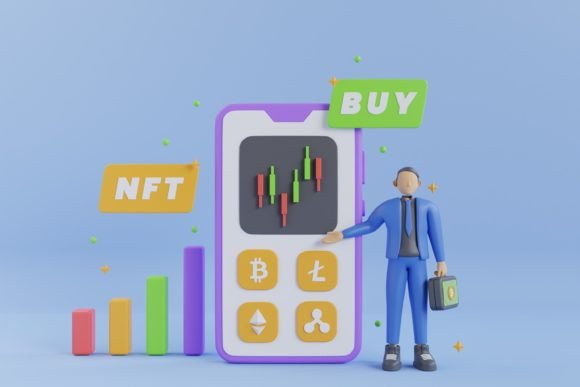
A 3D buy button of NFT refers to a visually dynamic interface element that mimics three-dimensional depth and motion. Unlike traditional flat or 2D buttons, this type of design incorporates lighting, shadows, perspective, and often subtle animations to create an interactive and immersive experience. The 3D effect can range from simple hover transitions to complex morphing shapes, depending on the platform and creative intent behind the design.
When applied to NFT marketplaces or promotional materials, the 3D buy button serves multiple purposes:
- Visual appeal: It grabs attention more effectively than standard buttons.
- User engagement: The added dimension encourages users to interact with the element.
- Modern branding: It reflects innovation and aligns with cutting-edge design trends.
Distinctive Features of the 3D Buy Button of NFT
Several characteristics make the 3D buy button of NFT stand out from conventional UI components:
- Depth and realism: The use of shading and perspective gives the button a lifelike appearance, which can help convey a sense of value and interactivity.
- Animation support: These buttons often include micro-interactions such as bounce, tilt, or glow effects, enhancing the overall user experience.
- Customizability: With formats like JPG and PNG available, designers can easily adapt the button to different contexts—whether for websites, banners, posters, or promotional assets.
- Cross-platform compatibility: Being in common image file types ensures that it can be integrated into various tools and platforms without technical hurdles.
These features combine to offer a design solution that’s both functional and aesthetically advanced, especially in environments where visual impact is crucial for driving conversions.
Strengths and Tradeoffs of Using a 3D Buy Button of NFT
Like any design element, the 3D buy button of NFT comes with its own set of advantages and potential drawbacks.
Strengths
- Enhanced aesthetics: In competitive digital spaces, a well-designed 3D buy button can differentiate your brand and increase perceived quality.
- Improved user interaction: The visual feedback provided by 3D animations can guide users toward making a purchase decision more intuitively.
- Versatility: Whether you're working on a website layout, creating a social media banner, or designing promotional material, the 3D buy button of NFT adapts well across formats.
- Professional finish: It adds a polished look to digital interfaces, aligning with high-end design standards often seen in web3 and blockchain projects.
Potential Limitations
- Performance concerns: Complex 3D animations may require additional processing power, which could affect performance on lower-end devices or slower internet connections.
- Accessibility issues: Overly animated or stylized buttons might not be suitable for all users, particularly those with visual impairments or cognitive sensitivities.
- Design complexity: Creating or customizing a 3D buy button may involve a steeper learning curve compared to simpler, flat designs.
It's important to weigh these factors when deciding whether to incorporate a 3D buy button of NFT into your project. While it offers clear benefits in terms of engagement and modernity, it also demands careful implementation to ensure usability remains intact.
Best-Fit Situations for the 3D Buy Button of NFT
There are several scenarios where the 3D buy button of NFT shines:
- NFT marketplace design: When showcasing collectibles, art, or virtual real estate, a 3D button helps emphasize the uniqueness and value of the item.
- High-end branding: For brands aiming to project innovation and sophistication, using a 3D buy button can reinforce their identity in a subtle yet effective way.
- Interactive campaigns: Promotional efforts that rely on user interaction—such as limited-time offers or exclusive drops—can benefit from the added visual punch of a 3D button.
- UI/UX prototyping: During the design phase, a 3D buy button can serve as a placeholder or mockup to visualize the final product before full development.
In contrast, if your primary goal is speed and simplicity, or if you're targeting a minimalistic aesthetic, you may find that a 2D button meets your needs more efficiently.
Comparing the 3D Buy Button of NFT with Other Design Options
While the 3D buy button of NFT brings a fresh approach to digital design, it's helpful to compare it with other widely used alternatives to understand its place in the ecosystem:
Flat Buttons
Flat buttons are minimalist and focus on content over form. They lack elevation, shadows, or gradients, offering a clean and straightforward interface. These buttons work best in environments where speed and clarity are prioritized over visual flair. However, they may not evoke the same level of engagement as a 3D buy button of NFT.
Animated SVG Buttons
SVG-based buttons allow for scalable vector graphics and animation without relying on heavy image files. They provide flexibility and responsiveness but may not achieve the same realistic depth as a 3D buy button of NFT. If you need something lightweight yet interactive, SVGs could be a viable alternative.
Gradient or Glassmorphism Buttons
Gradient and glassmorphism buttons have become trendy due to their sleek, modern look. They offer a balance between visual interest and performance but still fall short of the dimensional feel provided by a 3D buy button of NFT. These options are great for general-purpose web design but may not be as impactful in niche or high-stakes digital markets.
Real-World Applications of the 3D Buy Button of NFT
Let’s consider some practical examples of how the 3D buy button of NFT can be used effectively:
- Website CTA sections: On landing pages promoting NFT collections, a 3D buy button can act as a focal point that encourages action.
- Social media banners: When advertising NFT drops on platforms like Instagram or Twitter, a 3D buy button can elevate the visual hierarchy and draw attention to the call-to-action.
- Poster designs: For print or digital posters highlighting upcoming NFT sales or events, the 3D button adds a futuristic touch that resonates with tech-savvy audiences.
- UI kits for developers: Including a 3D buy button of NFT in a UI kit provides a ready-made component for building immersive NFT experiences without starting from scratch.
Each of these applications highlights the versatility of the 3D buy button of NFT while emphasizing its role in boosting engagement through visual storytelling.
Decision Factors When Choosing a 3D Buy Button of NFT
Deciding whether to implement a 3D buy button of NFT involves considering several key factors:
- Target audience: Are your users likely to appreciate a bold, interactive design? Or would they prefer a simpler, more direct approach?
- Platform requirements: Does your website or app support advanced CSS or WebGL rendering necessary for 3D visuals? Ensure your stack can handle the load.
- Project goals: Is your aim to drive quick purchases or build a memorable brand experience? The right button style will depend on your objective.
- Development resources: Do you have access to tools or team members who can customize the 3D button to fit your brand guidelines?
By evaluating these aspects, you can determine if the 3D buy button of NFT aligns with your overall strategy or if another format might better suit your needs.
Alternatives to Consider
For situations where a 3D buy button of NFT isn’t the ideal fit, here are a few alternatives worth exploring:
- Minimalist flat design: Offers speed and clarity, ideal for mobile-first or low-bandwidth environments.
- Micro-interaction buttons: Subtle animations without full 3D modeling can still enhance UX while maintaining performance.
- Typography-focused buttons: Using bold fonts or color contrasts can guide users effectively without complex visuals.
- Video-based CTAs: For high-engagement scenarios, embedding a video with a 3D-style buy prompt can add a layer of immersion.
These options highlight that there’s no one-size-fits-all solution in UI design. The 3D buy button of NFT should be chosen based on specific needs rather than being a default go-to.
Conclusion
The 3D buy button of NFT represents a modern, engaging, and adaptable design element for digital projects in the NFT industry. Its ability to capture attention, provide visual feedback, and align with innovative branding makes it a strong contender for certain use cases. However, it's essential to assess whether its benefits outweigh the potential tradeoffs for your particular situation.
When choosing between a 3D buy button of NFT and other design styles, keep your audience, platform, and objectives at the forefront. By doing so, you’ll be able to select a UI component that enhances both functionality and aesthetics in a meaningful way.