3D Illustration of Bitcoin Wallet: A Modern Visual Tool for Cryptocurrency Projects
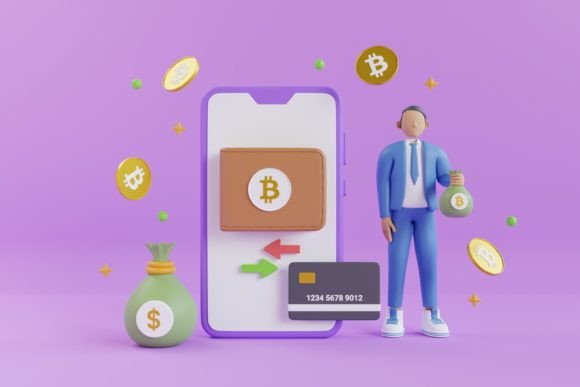
In the evolving world of cryptocurrency and blockchain technology, visual representation plays a crucial role in user understanding and engagement. One such visual asset that has gained popularity is the 3D illustration of a Bitcoin wallet. This type of digital artwork provides an immersive and realistic depiction of a Bitcoin wallet interface or design, often used to enhance the visual appeal of marketing materials, websites, UI/UX projects, and more.
What Is a 3D Illustration of a Bitcoin Wallet?
A 3D illustration of a Bitcoin wallet refers to a computer-generated image (CGI) that visually represents a Bitcoin wallet in three dimensions. These illustrations can showcase various aspects of a wallet — from its interface layout and buttons to its overall aesthetic and interaction flow. The result is a detailed, lifelike image that mimics how a real-world Bitcoin wallet might appear if it were tangible.
Unlike flat 2D graphics, 3D illustrations allow for depth, shadows, textures, and lighting effects, which help create a sense of realism. They are typically created using specialized software like Blender, Cinema 4D, or Maya and exported as common file formats such as JPG or PNG, making them compatible with most digital platforms.
Distinctive Features of 3D Illustrations for Bitcoin Wallets
Several key characteristics distinguish a 3D illustration of a Bitcoin wallet from other visual assets:
- Depth and Realism: 3D illustrations add dimensionality, making the wallet look interactive and tangible.
- Customizability: Designers can manipulate the model from any angle, apply different materials, and adjust lighting to fit specific needs.
- Scalability: Since they are vector-based, these illustrations maintain quality at any size, ideal for both web and print use.
- Multi-format Availability: Files are commonly available in JPG and PNG formats, allowing for flexibility in usage across banners, posters, UI designs, and promotional content.
Use Cases for 3D Illustrations of Bitcoin Wallets
The versatility of a 3D illustration of a Bitcoin wallet makes it suitable for a wide range of applications:
- Banners and Advertisements: High-quality visuals can make a banner stand out on digital platforms. A 3D illustration adds sophistication and clarity when promoting crypto services or apps.
- Websites and Landing Pages: Incorporating 3D illustrations into your site’s design helps explain complex concepts in a visually appealing way, especially for users who may be new to cryptocurrencies.
- Promotional Materials: Whether you're designing a social media post, a flyer, or a video thumbnail, a 3D illustration of a Bitcoin wallet can serve as a powerful visual anchor.
- UI/UX Design: These illustrations can be used as placeholders or reference models during the development phase of a cryptocurrency app or platform.
- Posters and Infographics: When educating users about Bitcoin security, storage, or functionality, a 3D wallet illustration can simplify technical information and make it more digestible.
Comparing 3D Illustrations with Other Visual Formats
While 3D illustrations offer unique advantages, it's important to understand how they compare with other visual styles such as 2D illustrations, icons, and mockups:
3D vs. 2D Illustrations
2D illustrations are simpler and faster to produce. They work well for abstract or minimalist designs but lack the dimensional feel of 3D art. On the other hand, a 3D illustration of a Bitcoin wallet offers a more engaging and realistic presentation, especially when showcasing product features or user interfaces.
However, 3D illustrations require more time and resources to create. If your project is focused on speed and cost-effectiveness, 2D might be the better option. But if you're aiming for a premium, tech-forward look, 3D could be worth the investment.
3D Illustrations vs. Icons and Symbols
Icons and symbols are essential for quick recognition in UI design, but they don’t provide the same level of detail as a full 3D illustration. For instance, an icon representing a Bitcoin wallet might show a simple coin or lock symbol, while a 3D version can depict the entire interface, including buttons and input fields.
This makes 3D illustrations particularly useful for educational purposes or when trying to convey a comprehensive visual story. That said, icons remain more practical for small spaces like mobile menus or dashboards where simplicity and clarity are prioritized.
Strengths and Limitations of 3D Illustrations of Bitcoin Wallets
Understanding the pros and cons of using 3D illustrations can help determine whether they’re the best fit for your needs.
Advantages
- Enhanced Visual Storytelling: A 3D illustration can help users visualize how a Bitcoin wallet works without needing text-heavy explanations.
- Professional Appeal: The polished look of 3D art adds a layer of professionalism and modernity to your project.
- Adaptability: You can easily modify colors, angles, and components to match your branding or message.
- High Resolutions: Ideal for high-resolution displays and large-format printing due to their scalability.
Disadvantages
- Cost and Time: Producing a 3D illustration of a Bitcoin wallet usually requires skilled artists and more time compared to 2D alternatives.
- Technical Requirements: Editing or creating 3D illustrations demands access to specific tools and software, which may not be feasible for everyone.
- File Size: High-resolution 3D renderings can have larger file sizes, which may affect website load times if not optimized properly.
When to Choose a 3D Illustration of a Bitcoin Wallet
A 3D illustration of a Bitcoin wallet is particularly beneficial in the following scenarios:
- Explaining Technical Concepts: If your audience includes newcomers to Bitcoin or blockchain, a 3D illustration can break down complex ideas in a visual format.
- Creating a Premium Brand Image: For companies aiming to position themselves as innovative or technologically advanced, 3D illustrations align with this vision.
- Designing for Interactive Platforms: In apps or websites that feature animations or hover effects, a 3D illustration allows for dynamic interactions that flat images cannot achieve.
- Producing Marketing Content: Whether it's for a video background or a promotional poster, the realism and polish of a 3D illustration can capture attention effectively.
Alternatives to Consider
Although 3D illustrations are powerful, there are several alternatives depending on your goals:
- 2D Vector Graphics: Great for simpler designs, logos, or infographics where depth isn't necessary. They are also easier to edit and scale quickly.
- Flat UI Mockups: Useful for early-stage design concepts or wireframes, offering a clean and minimalistic approach to visualizing the wallet structure.
- Photorealistic Images: Sometimes, using actual screenshots or photographs of existing wallets can be more effective than illustrations, especially when accuracy is key.
- Animated GIFs or Videos: For showing how a Bitcoin wallet operates, animated versions can be more informative than static images.
Best Practices for Using 3D Illustrations in Your Work
If you decide to incorporate a 3D illustration of a Bitcoin wallet into your project, consider the following tips to maximize its effectiveness:
- Optimize File Sizes: Ensure that the JPG or PNG files are compressed appropriately for online use to avoid slow loading times.
- Maintain Brand Consistency: Use consistent color schemes and fonts to ensure the illustration blends seamlessly with your brand identity.
- Focus on Clarity: Avoid overcomplicating the design. The goal is to inform and engage, not to overwhelm the viewer with unnecessary details.
- Test Across Devices: Make sure the illustration looks good on both desktop and mobile screens, adjusting resolution and aspect ratios as needed.
Real-World Examples and Practical Applications
Here are some realistic examples of how a 3D illustration of a Bitcoin wallet can be applied:
- Website Hero Section: A company launching a new crypto wallet might use a 3D illustration as the main visual to demonstrate the product’s interface and ease of use.
- Social Media Campaigns: An educational post explaining how to store Bitcoin securely can benefit from a 3D wallet illustration to highlight key features like encryption or multi-factor authentication.
- Infographic Elements: Within an infographic comparing different types of crypto wallets, a 3D illustration can represent one category with greater visual impact.
- Printed Promotional Materials: A 3D wallet illustration printed on brochures or posters can draw attention and communicate a modern, trustworthy image.
Evaluating the Right Format for Your Needs
Choosing between a 3D illustration and other visual formats depends largely on your specific goals and constraints. Here’s a quick comparison to guide your decision:
| Format | Pros | Cons | Best For |
|---|---|---|---|
| 3D Illustration | High realism, adaptability, professional appearance | Higher cost, longer production time | Marketing campaigns, educational content, UI/UX prototyping |
| 2D Illustration | Fast to create, lower cost, easy to customize | Less depth, less engaging for tech-savvy audiences | Simple websites, fast-paced campaigns, low-budget projects |
| Icon/Symbol | Quick recognition, compact design, easy to reproduce | Limited detail, doesn’t convey full context | Mobile UI, navigation menus, dashboard elements |
Final Thoughts on Choosing a 3D Illustration
A 3D illustration of a Bitcoin wallet is a valuable tool when executed correctly. It bridges the gap between abstract concepts and tangible representations, helping users understand and trust the products being showcased. However, it's important to weigh your budget, timeline, and audience before committing to this format.
For those who need a visually rich and scalable asset that stands out in a competitive market, a 3D illustration of a Bitcoin wallet — available in JPG or PNG — can be a compelling choice. But if your project requires speed, simplicity, or a focus on minimalism, alternative formats may serve your purpose better.
Ultimately, the right visual strategy hinges on your communication goals and the experience you want to deliver to your audience.