3D Champion Different Types of Sport: A Visual Guide for Diverse Applications
The concept of "3D Champion Different Types of Sport" has emerged as a powerful visual tool in the world of design and digital media. This innovative 3D graphic showcases various sports in a dynamic, stylized format, making it ideal for use in banners, websites, promotions, UI/UX projects, posters, and more. The design is typically available in JPG or PNG formats, allowing for seamless integration into different platforms while maintaining high-quality resolution. In this article, we’ll explore the characteristics, advantages, and real-world applications of this design, helping you understand how it can be effectively used across multiple industries.
Understanding the Design: What Is 3D Champion Different Types of Sport?
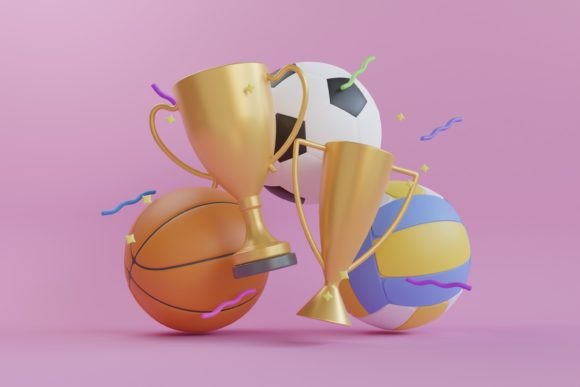
The "3D Champion Different Types of Sport" design is a visually engaging representation that personifies champions from various athletic disciplines. Each character is crafted in a three-dimensional style to highlight their unique sport—be it basketball, football, tennis, boxing, swimming, or cycling. These designs are often stylized with vibrant colors, exaggerated features, and dynamic poses to capture the energy and excitement associated with each sport.
This kind of illustration goes beyond traditional flat graphics by leveraging depth, perspective, and shading to create a lifelike effect. The 3D nature allows for greater flexibility in how the images are used, especially when they need to stand out against complex backgrounds or blend into immersive environments like virtual reality or augmented reality experiences.
Key Features of the 3D Champion Sports Design
- High Detail: The design captures intricate elements such as equipment, uniforms, and facial expressions specific to each sport.
- Scalability: Available in both JPG and PNG formats ensures compatibility across print and digital mediums without loss of quality.
- Customization Potential: While the core image may remain consistent, many versions allow for color variations, pose adjustments, or even background changes to suit brand aesthetics.
- Universal Appeal: The characters are designed to represent diverse demographics, making them suitable for inclusive marketing and educational materials.
Advantages of Using 3D Champion Sports Graphics
Incorporating 3D Champion Different Types of Sport visuals into your work offers several benefits. For starters, these graphics provide an instant sense of motion and realism that static illustrations often lack. They’re also versatile enough to adapt to various design needs, whether you're creating a promotional poster for a local sports event or developing an interactive website section on athletic achievements.
One major advantage is the ability to communicate complex ideas quickly and clearly. Instead of writing lengthy descriptions about different sports, a single image can convey the essence of competition, diversity, and excellence. This makes the design particularly valuable for educators, content creators, and marketers who want to engage audiences with minimal text.
Why Choose 3D Over 2D for Sports Representation?
- Enhanced Realism: 3D models add depth and texture, making the athletes look more authentic and relatable.
- Better Engagement: The realistic feel of 3D graphics tends to attract attention and encourage interaction, especially in digital spaces.
- Adaptability: These images can be rotated, viewed from different angles, and embedded into animations or simulations.
- Brand Consistency: When used across multiple platforms, 3D Champion Different Types of Sport graphics help maintain a cohesive and professional brand identity.
Use Cases Across Industries
These 3D sports champion visuals have found their way into numerous sectors due to their broad applicability. Let’s take a closer look at some of the most common use cases and how they benefit from this type of design.
Marketing and Advertising
Businesses in the fitness, apparel, and sports equipment industries frequently use 3D Champion Different Types of Sport graphics to promote their products. For example, a company launching a new line of running shoes might feature a 3D champion sprinter in their banner ads to evoke a sense of speed and performance. Similarly, brands promoting multi-sport events or international competitions can showcase all represented sports through a single, unified visual theme.
UI/UX and Web Design
On digital platforms, the design serves as a strong visual anchor. It can be used in navigation menus, landing pages, or infographics to guide users toward sections dedicated to different sports. Its clean lines and bold colors make it easy to incorporate into modern web layouts without overwhelming other elements. Additionally, since it's available in transparent PNG format, it can be layered over any background, providing designers with creative freedom.
Education and Training
Educators often utilize these graphics to teach students about the physical and mental aspects of various sports. Whether in a classroom setting or online course, a 3D Champion Different Types of Sport image can serve as a conversation starter, helping learners visualize what it takes to excel in each discipline. Coaches and trainers might also use the design to illustrate training goals or compare techniques between sports.
Event Promotion and Branding
For sports events, tournaments, or sponsorships, these 3D images act as excellent branding tools. They can be printed on merchandise, projected during live events, or shared on social media to generate buzz. Their universal appeal helps connect with a wide audience, regardless of age or cultural background.
Design Considerations and Best Practices
While the 3D Champion Different Types of Sport design is highly adaptable, there are several factors to consider before using it in your projects. First, ensure that the chosen sport aligns with your message or target audience. For instance, if your campaign focuses on team-building activities, selecting sports like soccer or basketball would be more relevant than individual sports like golf or swimming.
Second, pay attention to the context in which the design will be used. In print materials, the resolution and file size must be appropriate to avoid pixelation. In digital contexts, optimizing the image for web use (e.g., compressing PNG files) is essential for faster load times and better user experience.
Color Schemes and Cultural Sensitivity
When working with the 3D Champion Different Types of Sport design, consider the color palette and its psychological impact. Red, for example, is often associated with power and intensity, making it a popular choice for action-oriented campaigns. However, depending on the sport and the region where the design will be displayed, certain colors may carry different connotations. Always verify that the imagery is culturally appropriate and respectful to all communities involved.
Integration with Other Media
These 3D graphics can be combined with video, animation, or interactive elements to enhance storytelling. For example, adding motion to the 3D Champion Different Types of Sport figure can simulate a game-winning moment, making the viewer feel part of the action. Such integrations are particularly effective in explainer videos, e-learning modules, or mobile app interfaces focused on sports engagement.
Trends and Future Prospects
As technology continues to evolve, so does the application of 3D graphics in sports-related content. With the rise of metaverse platforms and AR-based experiences, the demand for high-quality 3D Champion Different Types of Sport visuals is expected to grow. These graphics are not only being used in traditional advertising but also in gamified learning environments and immersive brand experiences.
Moreover, the trend towards personalization means that businesses and designers are increasingly looking for ways to modify these 3D assets to reflect specific teams, players, or even fictional scenarios. This opens up opportunities for developers to build custom solutions that allow end-users to interact with and customize the visuals themselves.
Observations from Current Projects
Many designers have reported increased user engagement when incorporating these 3D figures into their work. One notable project was a global sports festival website that used the 3D Champion Different Types of Sport design to represent each participating country and its signature sport. Visitors could hover over the images to learn more about the athletes and their stories, significantly improving the site’s interactivity and time-on-page metrics.
Another case study comes from a fitness app that integrated the design into its progress tracking system. Users were shown evolving 3D champion avatars based on their activity levels, creating a motivational element that boosted daily usage and long-term retention rates.
Implementation Tips for Creators and Businesses
If you're planning to use the 3D Champion Different Types of Sport design in your next project, here are a few practical tips to keep in mind:
- Start with a Clear Purpose: Define what message you want to send and which sports best represent that message.
- Test Different Layouts: Experiment with positioning and scaling to see how the design interacts with surrounding content.
- Combine with Text Strategically: Use the design to complement written content rather than replace it. Pair it with short, impactful headlines or statistics.
- Consider Licensing: If you're using the design for commercial purposes, ensure you have the correct licensing agreement in place to avoid legal issues.
Tools for Working with 3D Champion Designs
Several software tools can help you manipulate and integrate these 3D assets into your workflow. Adobe Photoshop and Illustrator are commonly used for editing and composing static images. For animation and interactive applications, Blender or Cinema 4D offer robust 3D modeling capabilities. Online tools like Canva or Crello also support basic integration of 3D graphics, especially when using pre-rendered PNG or JPG versions.
Conclusion
The 3D Champion Different Types of Sport design is a valuable asset for anyone looking to create compelling, visually rich content around sports themes. From marketing professionals to educators and UI designers, its versatility and aesthetic appeal make it a go-to resource for a wide range of applications. As the design landscape continues to shift toward more immersive and interactive experiences, these 3D visuals will play an increasingly important role in connecting people with the world of sports.