3D Illustration of Tourist with Backpack: Creative Uses Across Industries
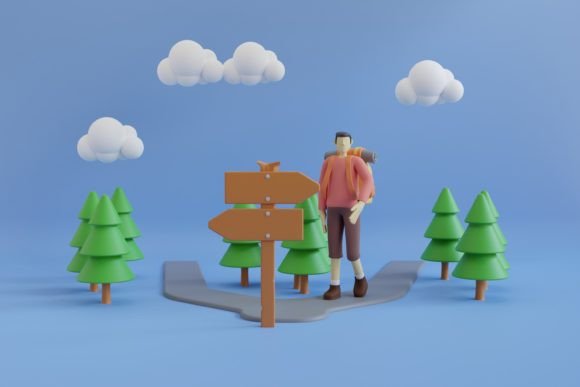
A 3D illustration of a tourist with a backpack is more than just a visual—it's a versatile design element that brings life to digital and print projects. These illustrations are typically created using 3D modeling software, offering depth, realism, and flexibility for use in various formats like JPG or PNG. Whether you're designing a travel website, creating promotional material for a hotel, or working on UI/UX elements for a tourism app, this kind of illustration can add clarity, emotion, and professionalism to your work.
Travel Websites and Landing Pages
When building a travel website, the right visuals can make all the difference. A 3D illustration of a tourist with a backpack can be used to represent adventure, exploration, and freedom. For instance, a budget airline might place such an image on their homepage to convey the idea of affordable travel and spontaneous getaways. Similarly, a tour company specializing in hiking trips could feature the illustration in a hero section to highlight the thrill of trekking through scenic landscapes.
One thing to consider is how the illustration aligns with your brand's tone. A cartoonish version might suit a family-friendly travel site, while a hyper-realistic model would better fit a luxury travel platform aiming for authenticity. The key is to ensure the image resonates with your target audience and supports your message.
Marketing Banners and Social Media Campaigns
In the world of online marketing, attention spans are short. A 3D illustration of a tourist with a backpack can serve as a powerful focal point in banners or social media posts. Let’s say you’re launching a new travel insurance plan. You could create a banner showing the tourist navigating through a bustling city, subtly hinting at the unpredictability of travel and the importance of being prepared.
These illustrations are also great for seasonal promotions. During summer, a backpacking illustration set against mountainous terrain can evoke the spirit of adventure, encouraging users to book their next trip. In winter, the same character might appear in a snowy landscape to promote ski packages or cold-weather gear.
UI/UX Design for Travel Apps
User interface (UI) and user experience (UX) design play a crucial role in how people interact with travel apps. A 3D illustration of a tourist with a backpack can be used as a visual guide within these platforms. For example, it might appear during onboarding to show users what they can expect when planning a trip—like booking accommodations, packing essentials, or exploring new cities.
Designers often use such illustrations to simplify complex processes. If an app offers itinerary planning, the backpacking tourist can be shown moving from one location to another, helping users visualize their journey. The illustration should be scalable and adaptable across different screen sizes, so it remains effective whether viewed on a smartphone or tablet.
Print Promotions and Posters
While digital spaces dominate modern advertising, posters and printed materials still have their place—especially in high-traffic areas like airports, train stations, or hostels. A 3D illustration of a tourist with a backpack can be featured prominently on these prints to draw the eye and communicate the essence of travel quickly.
For instance, a hostel chain might use the illustration in a poster campaign highlighting affordability and community. The tourist could be depicted walking into a cozy common area, surrounded by other travelers. This approach makes the viewer feel part of the scene and helps build a connection with the brand. When printing, always check the resolution and color profile of the illustration to ensure it looks sharp and vibrant in physical form.
Product Packaging and Merchandise
Travel-themed products often rely on strong imagery to connect with consumers. A 3D illustration of a tourist with a backpack can be used on merchandise like T-shirts, mugs, or luggage tags. It adds a sense of identity and purpose to the product, especially if it’s meant for frequent travelers or adventurers.
If you're selling travel accessories, placing the illustration on packaging can help customers immediately understand the product’s use case. For example, a reusable water bottle labeled “Stay Hydrated on Your Journey” with a backpack-wearing tourist could appeal to hikers and campers. Make sure the illustration complements the overall aesthetic of the product and doesn’t overshadow important information like pricing or branding.
Educational Platforms and E-books
Online learning platforms focused on travel, geography, or cultural studies can benefit from using 3D illustrations. A 3D illustration of a tourist with a backpack might be included in an e-book chapter about responsible tourism, guiding readers through best practices like minimizing waste or respecting local customs.
Such images can also be used in interactive quizzes or tutorials. Imagine an educational module where students match the tourist to different global landmarks. The illustration provides context and enhances engagement without relying solely on text. When choosing illustrations for education, prioritize clarity and simplicity over flashy details.
Corporate Presentations and Reports
Not every business dealing with tourism is directly in the travel industry. Companies involved in logistics, transportation, or hospitality services often need to present data or proposals related to traveler experiences. Here, a 3D illustration of a tourist with a backpack can help visualize customer journeys or service touchpoints.
For example, a car rental company targeting adventure seekers might include the illustration in a presentation to show how their vehicles support off-road travel. Or a tech firm developing GPS systems for tourists could use the image to demonstrate how their tools enhance navigation. In these cases, the illustration should be subtle but informative, blending well with charts and graphs rather than competing with them.
Video Game Development and Interactive Experiences
The gaming industry thrives on immersive environments. A 3D illustration of a tourist with a backpack can evolve into a full character model in games centered around travel or exploration. Think of open-world games where players take on the role of a backpacker discovering hidden locations or solving puzzles along the way.
Developers may also use the illustration in concept art before finalizing character models. It helps in brainstorming storylines and setting tones for the game. However, keep in mind that converting a static illustration into a dynamic character requires additional work, including rigging and animation, which might not be feasible if you're only starting with a JPG or PNG file.
Event Branding and Tourism Festivals
Travel events, festivals, or conferences often require consistent branding across multiple channels. A 3D illustration of a tourist with a backpack can become the central visual motif for everything from invitations to stage backdrops. For instance, an international travel expo might use the illustration to symbolize the diversity of experiences attendees can expect.
This type of illustration works particularly well in event marketing because it’s easily recognizable and can be stylized to match the theme—whether it's a retro road-trip vibe or a futuristic travel vision. Always test how the image appears in both color and black-and-white formats, as some print materials may require grayscale versions.
Interior Design and Hospitality Industry
Hotels, resorts, and cafes frequently use thematic designs to enhance ambiance. A 3D illustration of a tourist with a backpack can be incorporated into interior decor, like wall murals or digital screens in lobbies. It creates a welcoming atmosphere for guests and reinforces the property’s identity as a traveler-friendly destination.
Some establishments even use such illustrations in branded merchandise for sale. A souvenir shop might offer a canvas bag featuring the tourist illustration, appealing to those who want to commemorate their stay. Ensure the illustration fits the space it’s intended for—oversized images may lose detail, while small ones could appear cluttered.
Virtual Reality and Augmented Reality Applications
As VR and AR technologies grow, so does the demand for engaging visual assets. A 3D illustration of a tourist with a backpack can be integrated into virtual tours or augmented reality guides. For example, a museum might use the illustration in an AR app that shows visitors how to navigate exhibits or highlights nearby attractions.
Another use could be in training simulations for hospitality staff. By placing the tourist in a virtual environment, employees can practice customer service scenarios, like checking in a guest or providing travel advice. In these contexts, the illustration must be compatible with the development platform and optimized for performance, especially if it’s part of a larger 3D scene.
Considerations Before Choosing a 3D Illustration
- Style Matching: Choose an illustration that matches your project’s visual style—realistic, flat, cartoon, or abstract.
- Resolution and Format: Confirm that the provided JPG or PNG files meet your technical requirements, especially for print or large-scale displays.
- Licensing: Understand the usage rights of the illustration. Some files may be limited to personal use, while others allow commercial applications.
- Color Scheme: Make sure the colors complement your existing palette or brand guidelines. You may need to request customizations if needed.
- Contextual Relevance: Consider the setting and activity of the tourist. Are they hiking? Sightseeing? Exploring a city? The context should reflect your intended message.
Strengths and Limitations
One of the biggest strengths of a 3D illustration of a tourist with a backpack is its adaptability. It can be resized, recolored, and repositioned without losing quality. Additionally, it can be layered with other design elements to create rich compositions for websites or ads.
However, there are limitations. Static illustrations may not convey motion effectively, so if your project needs dynamic visuals, you might need to invest in animation. Also, depending on the source, you might find yourself restricted in how you can modify the image or use it commercially.
Customization and Collaboration Opportunities
Many designers and agencies offer customization options for 3D illustrations. If the default version of the tourist with a backpack doesn’t quite fit your vision, you might commission changes like adjusting clothing styles, facial expressions, or background settings. This is especially useful for brands looking to maintain a unique identity while leveraging professional artwork.
Collaborating with a designer can also lead to more tailored results. They can provide variations of the illustration suitable for different stages of a project—such as a close-up shot for a mobile app versus a wide-angle view for a poster. Just be clear about your goals and constraints to avoid unnecessary revisions or delays.
Where to Find and How to Use
You can often find a 3D illustration of a tourist with a backpack on stock image sites, creative marketplaces, or from freelance 3D artists. Once downloaded, the JPG or PNG format allows for easy integration into most design tools like Adobe Photoshop, Illustrator, or Canva.
Here’s a quick tip: always download the highest resolution available, even if you don’t need it immediately. You never know when a new project will require a larger size or higher quality. Also, keep a backup copy of the original file in case you need to edit or scale it later.
Final Thoughts on Practical Application
Whether you’re crafting a website, preparing a marketing campaign, or enhancing an educational tool, a 3D illustration of a tourist with a backpack can bring a fresh perspective and emotional resonance to your content. Its ability to blend realism with creativity makes it a favorite among designers across industries. But remember, the best illustration is one that serves a clear purpose and connects with your audience in a meaningful way.